
Saying goodbye without saying it wrong
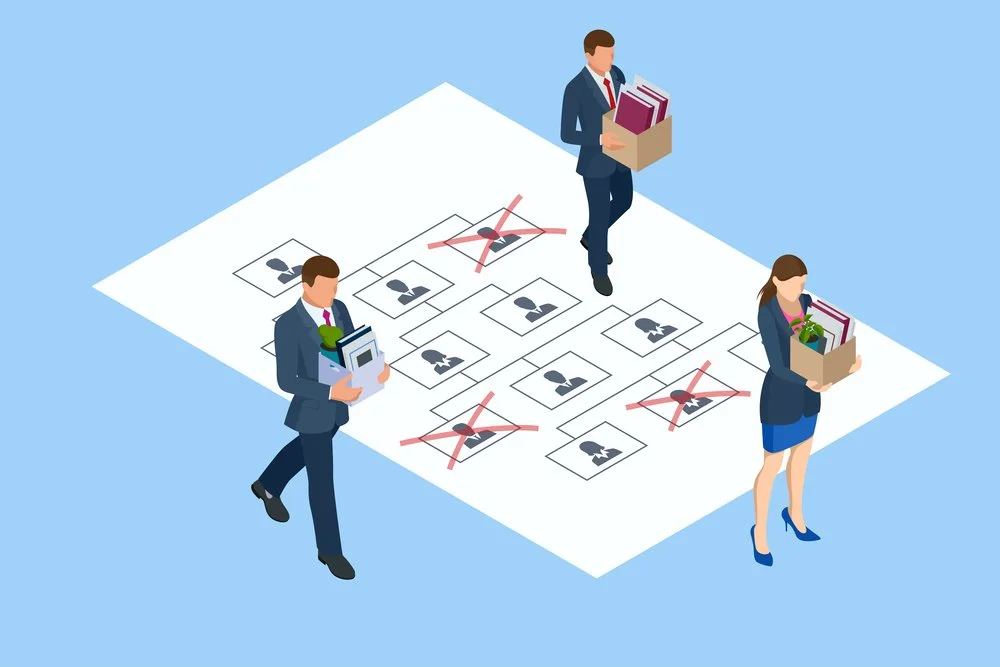
Whether it’s a 5,000-person reduction in force, a department restructure that eliminates two positions, or a single performance termination, saying goodbye to an employee is one of the hardest things any organization does. And one of the things organizations are most consistently bad at.
A 2025 analysis found 77% of HR leaders believed they communicated layoffs fairly — but employees overwhelmingly disagreed. The gap reveals an empathy deficit, not an information one. We think we’re doing it right. The people on the receiving end disagree.
The principles are the same whether you’re letting one person go or one thousand:
Skip the euphemisms. Call it what it is — a layoff, a position elimination, a termination. Acknowledge the human impact in the first sentence.
Own the why honestly. If it’s financial, say so. If you over-hired, admit it. If the role no longer fits the strategy, name it. Vague reasons or borrowed buzzwords get recognized for what they are.
For individual exits, separate the role from the person. “We’ve decided to eliminate this position” is a different conversation from “This isn’t working out.” Be clear which one you’re having.
Notify privately before publicly. Always. No employee should learn about their job loss from a press release, an org chart update, or a colleague’s social post.
Have the conversation in person whenever possible. If your workforce is remote, do it on video — not chat, not email. The medium signals how much the moment matters.
Tell them what comes next. Severance, benefits timing, reference policy, outplacement, final paycheck, PTO payout. Have answers ready.
Give a real goodbye. Let people pack up. Let teammates say what they want to say.
Treat the people who stay as carefully as the people who leave. They’re watching, and they’re updating their internal calculation about whether to stay long-term.
How you say goodbye shapes who applies tomorrow. The cost of doing this badly compounds for years. The cost of doing it well? It’s mostly just paying attention.